
Financial Wellness Programs
 Money causes stress and stress can negatively impact health. This is certainly not news. However, as consumers and healthcare providers become more aware of the impact of social determinants there is growing interest in financial pressures. Financial wellness programs, while valued, are still not hitting the mark.
Both employers and employees agree that financial wellness programs have value, but disconnects between employers’ approaches and what employees want out of the programs impair their value.
That’s according to the 2018 Bank of America Merrill Lynch Workplace Benefits Report, which finds that just a third of employees actually participate in such programs, even though many are having a hard time financially.
In fact, 38 percent of employees believe they’re not doing well financially, and it’s worse among younger workers—with 44 percent of workers under 40 saying their finances aren’t in good shape.
And while employees want help with long-term financial goals, such as ways to help them save and invest for the future, employers are focused on workers’ immediate financial needs and think budgeting and learning to handle expenses are more useful. In fact, employees say that advice and plans from a professional would be the biggest help in straightening out their finances.
Health enters into the problem, too, with just 7 percent of employees believing that health care is an important element of financial wellness. Meanwhile, 53 percent of employees have skipped or postponed at least one health care issue, such as a doctor’s appointment or filling a prescription, to save money.
For more information see the original article: Poor engagement hinders financial wellness programs’ value | BenefitsPRO
Our Model
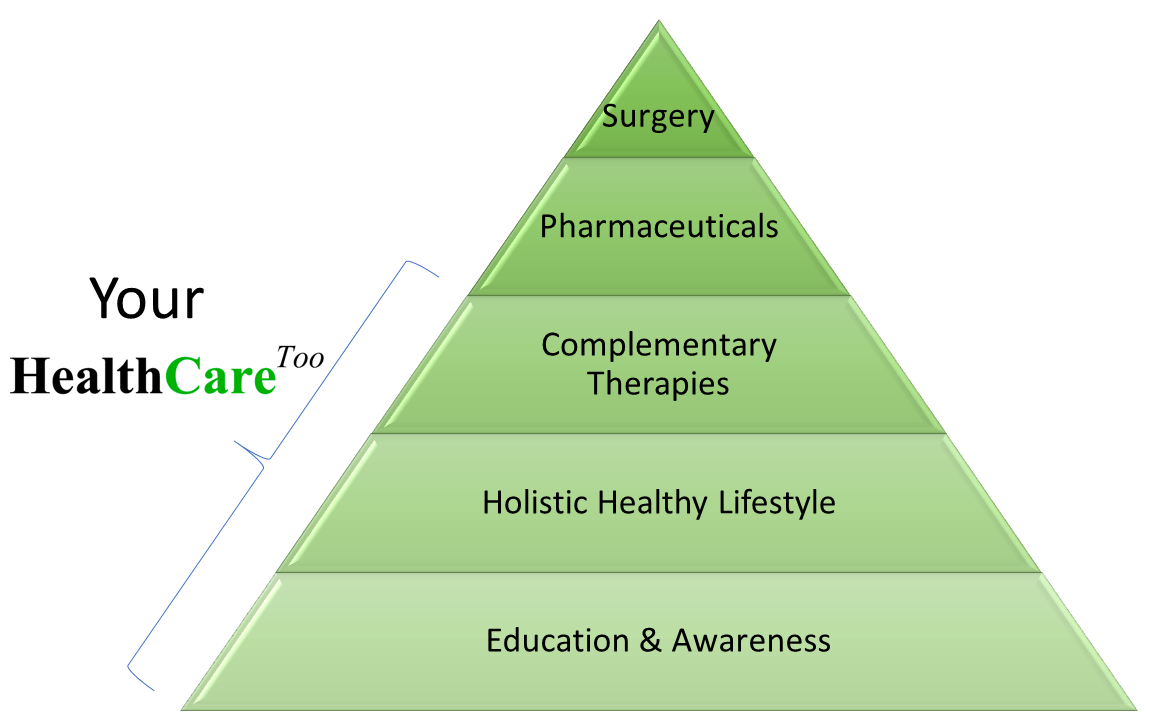 The HealthCare Too model provides for a collaborative holistic care approach to health. We look for articles and knowledge to help consumers and their care teams make holistic health decisions and also shop for the best deals in holistic health so you can find them here! We appreciate the value of surgery and pharmaceuticals but want to make more paths available for your HealthCare Too. See our model for Holistic Health for more information!